On this page
The short answer Snoring is the sound of relaxed tissue in your throat vibrating as air squeezes past. The first fixes the American Academy of Sleep Medicine recommends are free: sleep on your side, skip alcohol before bed, stop smoking and lose weight if you carry extra. If those don’t work, a custom oral appliance from a dentist is the best-supported next step. Loud snoring with gasping or daytime sleepiness needs a sleep apnea check first.
| Cause | What it does | What to try |
|---|---|---|
| Sleeping on your back | Makes snoring more likely, per the AASM | Side sleeping, a positional device or a tennis ball sewn into a pajama top |
| Alcohol or sedatives at night | Throat muscles relax further | No alcohol in the hours before bed; ask about any sleep medication |
| Extra weight | A leading risk factor on the NHS list | Weight loss, ideally with your doctor’s help |
| Blocked nose from a cold or allergies | Can cause snoring on its own | Treat the congestion; nasal strips or dilators |
| Smoking | On both the AASM and NHS risk lists | Quitting |
| Jaw and throat anatomy | A smaller airway that collapses more easily | A custom oral appliance; sometimes surgery |
| Obstructive sleep apnea | The airway closes repeatedly and breathing stops | A sleep study, then CPAP, an oral appliance or other treatment |
Why people snore
When you fall asleep, the muscles in your mouth and throat relax and the airway narrows. Air moving through that narrower space makes the tissues at the back of your throat vibrate. That’s the noise. AASM’s patient site says it happens most often as you breathe in, through the nose, mouth or both, and during any stage of sleep.
It’s common. About half of people snore at some point, and roughly 40% of adult men and 24% of adult women are habitual snorers, according to the same AASM page. Snoring runs in families and gets more common with age. The NHS lists the usual drivers as being overweight, smoking, drinking too much alcohol and sleeping on your back.
How to stop snoring: start here
The AASM says conservative therapies should be encouraged in everyone who snores: avoiding alcohol before bed, quitting tobacco, losing weight and sleeping on your side. Work through them in this order, since the first ones are fastest to test.
- Rule out sleep apnea first if there are warning signs. Gasping, choking, pauses in breathing or heavy daytime sleepiness mean you should see a doctor before trying home fixes. Anti-snoring gadgets can quiet the noise while the apnea continues.
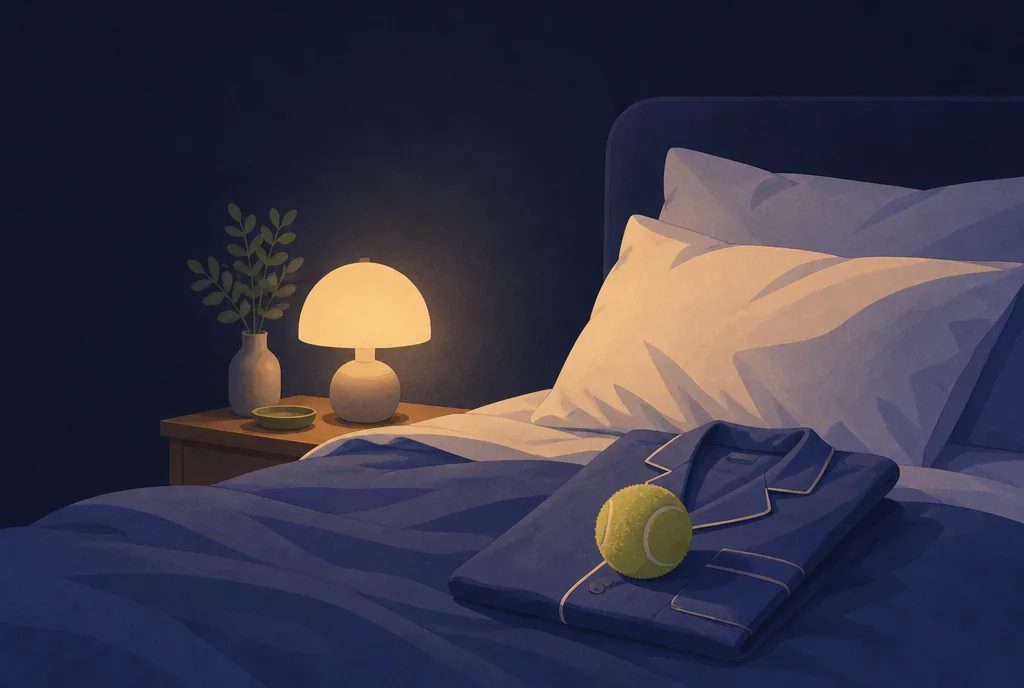
- Get off your back. Back sleeping makes snoring more likely. The NHS suggests taping or stitching a tennis ball to the back of your sleepwear so rolling over is uncomfortable. A firm pillow wedged behind you may do a similar job.
- Stop drinking alcohol in the evening. A 2020 meta-analysis of 13 sleep-lab studies found alcohol was associated with worse snoring and more breathing events in people prone to snoring and sleep apnea. Try two weeks with no alcohol in the evening and ask your partner whether it’s quieter.
- Clear your nose. Congestion from a cold or allergies can cause snoring. Treating it, and trying nasal strips or dilators, may help if your snoring is mostly nasal.
- Review your medications. The NHS warns that sleeping pills can sometimes cause snoring. Don’t stop a prescription on your own, but ask your doctor.
- Quit smoking if you smoke. It’s on both the AASM and NHS lists.
- Lose weight if you’re carrying extra. It’s slower than the steps above, and it’s one of the four changes the AASM lists for everyone who snores.
- If none of that works, see a sleep doctor or dentist about an oral appliance. More on that below.
Does sleeping on your side really stop snoring?
For a lot of people, it helps the most of any free change. The AASM describes positional therapy, used for sleep apnea that happens mainly on your back, as wearing something that keeps you from rolling onto your back: a belt, a backpack or tennis ball, or a newer device that vibrates gently when you start to turn over. The same logic applies to plain snoring. If your partner says the noise is worst when you’re face-up, position is probably a big part of it.
Do anti-snoring mouthguards work?
The custom kind do, and they’re the best-supported treatment for snoring that doesn’t come with sleep apnea. The AASM and American Academy of Dental Sleep Medicine’s 2015 guideline recommends that sleep physicians prescribe oral appliances, rather than no therapy, for adults who want treatment for primary snoring, at the guideline’s “standard” level.
Most are mandibular advancement devices, which hold your lower jaw slightly forward to keep the airway open. The AASM’s patient page says you must be custom fitted for one to work properly, and that over-the-counter devices aren’t recommended for snoring or sleep apnea. It also says the fitting should happen with a sleep team, after a sleep doctor has checked for sleep apnea. The NHS is more relaxed and lists mandibular advancement devices among snoring treatments without that caveat, but the AASM’s advice is the safer default. Expect a few weeks to get used to one.
Nasal strips, chin straps and mouth exercises
Nasal strips and dilators hold your nostrils open. The NHS lists them as a snoring treatment. They make sense if your snoring comes mainly from your nose; they won’t help much if it comes from your throat.
Chin straps hold your mouth closed and also appear on the NHS list. They’re aimed at open-mouth snoring, and you should only use one if you can breathe comfortably through your nose.
Mouth and tongue exercises, called myofunctional therapy, have small trials with mixed results. In a 2025 randomized trial, 6 weeks of tongue and mouth exercises lowered partner-rated snoring scores compared with finger exercises, though a home sleep test showed no significant difference in snoring measures. A smaller 2022 trial in people with obesity found no significant effect on app-recorded snoring. Free and harmless, but don’t expect much.
Is it snoring or sleep apnea?
Snoring can be a symptom of obstructive sleep apnea, but plenty of snorers don’t have it. In sleep apnea, the airway closes repeatedly and breathing stops for short stretches. NHLBI lists the signs as breathing that starts and stops, frequent loud snoring and gasping for air during sleep, plus daytime sleepiness, morning headaches, dry mouth and waking often to urinate. Women are more likely to notice fatigue, headaches or insomnia than the classic loud snoring.
The AASM notes that heavy snoring may go along with sleep apnea, which is a risk factor for heart disease, stroke and diabetes. A sleep study, often done at home, settles the question. If you do have apnea, CPAP is the most effective treatment, and an oral appliance is an option for mild to moderate cases.
When to see a doctor
- You or your partner notice pauses in breathing, gasping or choking during sleep.
- You feel sleepy during the day even after enough hours in bed, or you’ve nodded off while driving. Pull over if you’re drowsy behind the wheel.
- You wake with headaches, a dry mouth, or get up often to urinate at night.
- Lifestyle changes haven’t helped, or the snoring is having a big impact on your life or your partner’s, two reasons the NHS gives for seeing a doctor.
- Your child snores regularly. The American Academy of Pediatrics says all children and teens should be screened for snoring, so mention it to your pediatrician.
Can snoring be cured?
Sometimes. Snoring caused by a cold, a few drinks or back sleeping often stops when the trigger does. Snoring tied to weight or anatomy can usually be reduced a lot with the steps above and an oral appliance, though it may not disappear entirely. Surgery on the nose, palate or throat is an option for some people, but it’s a decision for an ear, nose and throat specialist after a proper evaluation.
If you’re the one listening
Living next to a snorer costs real sleep. In a small Mayo Clinic study of 10 couples, eliminating the men’s snoring and sleep apnea with CPAP raised their spouses’ sleep efficiency from 74% to 87%, which the authors estimated at about an extra hour of sleep a night. Earplugs, white noise and a frank conversation all have a place; our guide to sleeping next to a snoring partner walks through them, and foam vs silicone vs wax earplugs helps you pick a pair. More guides live in Sleep Problems.
Common questions
What is the fastest way to stop snoring?
Sleeping on your side and skipping alcohol in the evening are the quickest changes to test. The NHS suggests a tennis ball sewn into the back of your sleepwear to keep you off your back.
Why do I suddenly snore?
New snoring often comes from a cold or allergies, alcohol, weight gain, sleeping pills or sleeping on your back. If it comes with gasping or daytime sleepiness, see a doctor about sleep apnea.
Do anti-snoring mouthguards work?
Custom oral appliances fitted by a dentist are recommended by the AASM for primary snoring. The AASM does not recommend over-the-counter devices.
Is snoring a sign of sleep apnea?
It can be, but many snorers don't have it. Loud snoring with pauses in breathing, gasping or heavy daytime sleepiness should be checked with a sleep study.
Written and checked by the Sleep Brief editors. We base every article on published research and guidance from medical bodies, and link the sources inline. How we research.
This article is for general education and isn't medical advice. If poor sleep lasts more than a few weeks, or you snore loudly, stop breathing in your sleep or feel sleepy while driving, talk to a doctor.